Date
May 2024
Location
Marsabit County
Prepared by
Nehemiah Lemayan Lesas, Program Director
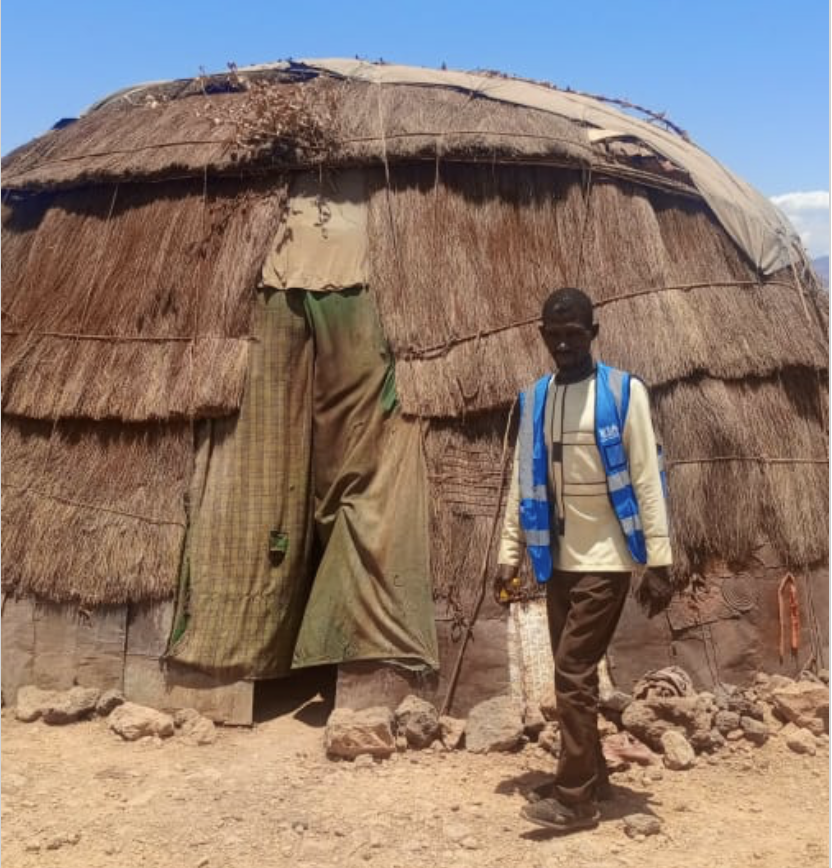
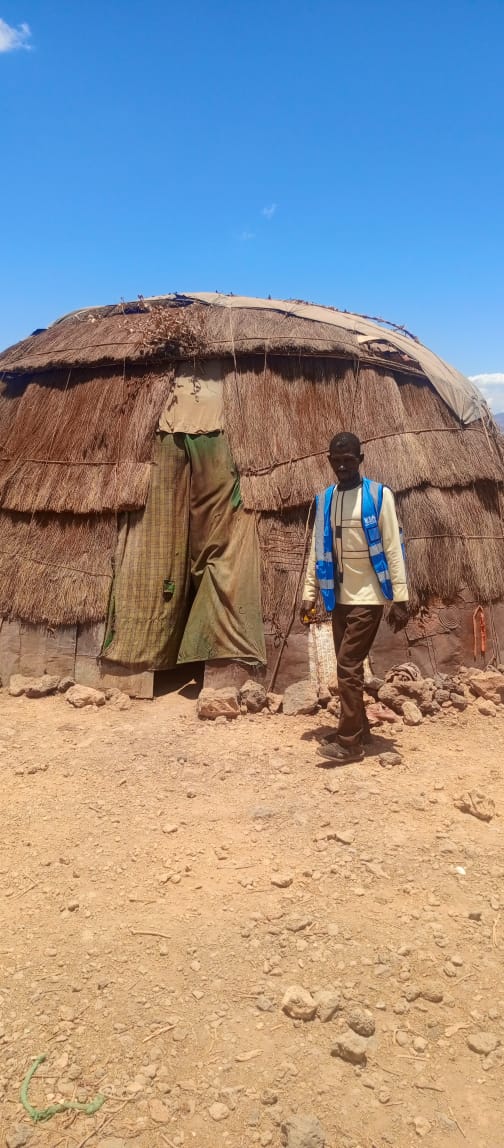
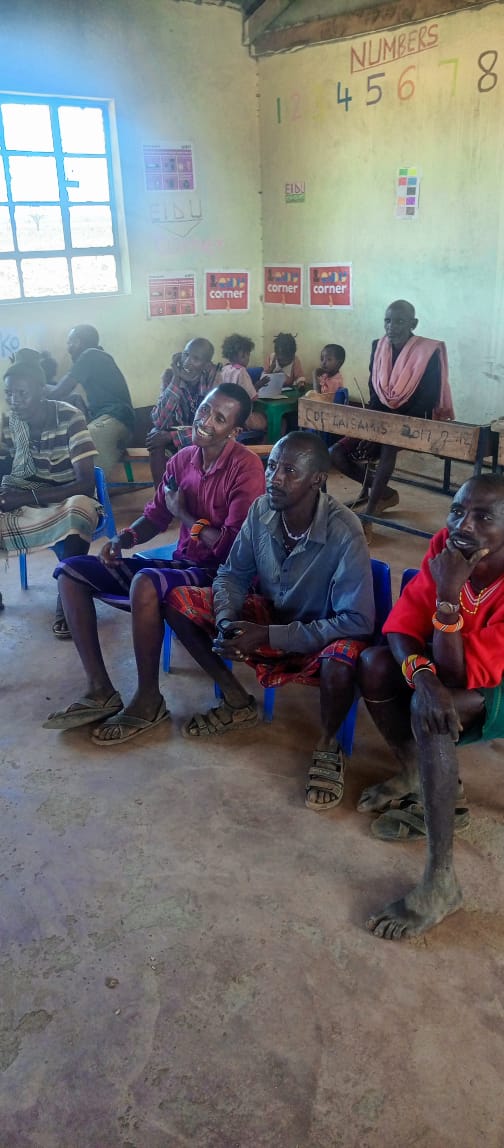
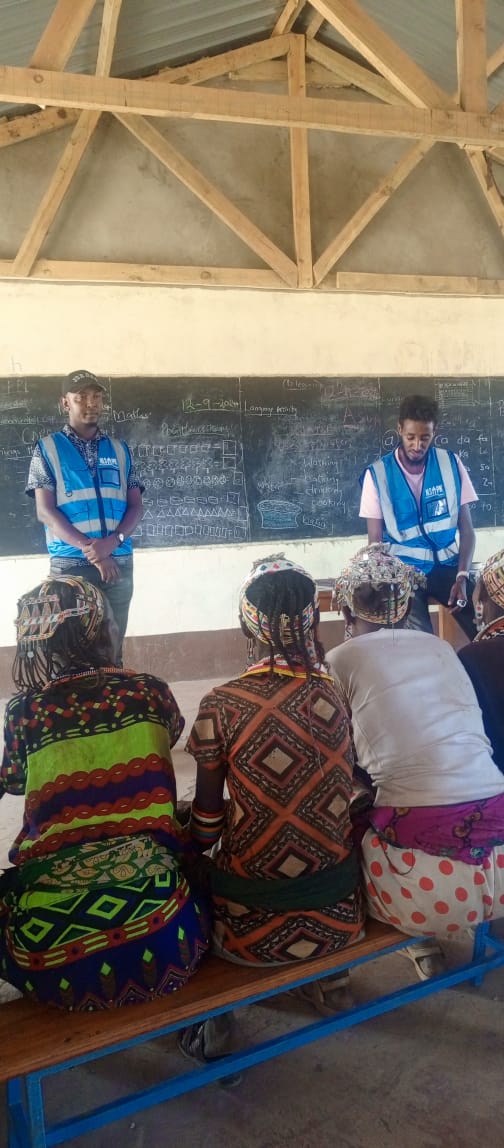
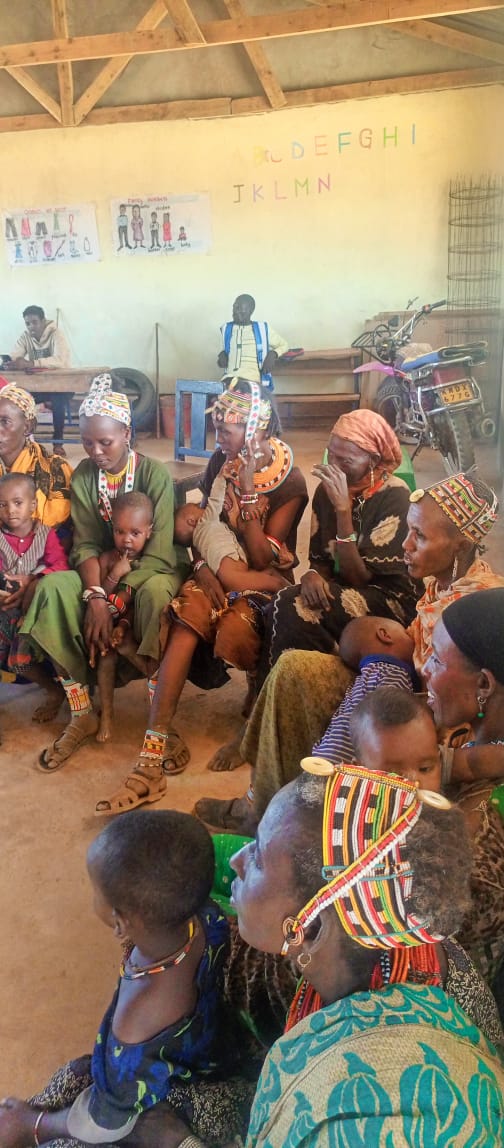
In May 2024, a survey was conducted across four villages — Galtheilan, Ongeli, Farakoren, and Ngurnit — in Laisamis Subcounty of Marsabit. The goal was to gather insights into the housing preferences and needs of the nomadic communities, with the objective of designing shelters that cater to their practical needs while respecting their cultural identity.
The survey covered a sample size of 300 households, representing members of the Rendille and Samburu communities. Over four days, data was collected through structured interviews, focus group discussions, and observational visits.
Key Findings
Housing Needs and Preferences
- Household Size: On average, each household comprises 10 members, necessitating housing that can accommodate extended families.
- Preferred Materials: Locally sourced, sustainable materials were favored for their environmental compatibility and cultural significance.
- Structural Preferences: Communities prefer homes that combine traditional architectural elements with flexibility for both nomadic and semi-permanent lifestyles.
- Safety Concerns: Issues such as roof leakages, structural instability during storms, and fire outbreaks were frequently mentioned.
Challenges Faced
- Lack of Privacy and Space: Traditional homes often lack privacy and sufficient space for large families.
- Vulnerability to Weather: Roof leakages during rainy seasons and structural damage from storms are common.
- Scarcity of Local Materials: Communities face difficulty sourcing materials locally, adding cost and time to building.
- Fire Hazards: Frequent fires are a persistent danger, underscoring the need for better fire safety measures.
Community Engagement
One of the standout aspects of the survey was the strong desire for community-led decision-making. Residents wanted to be actively involved in every stage of the process, from design to maintenance. There was also significant interest in skill development programs to empower them to build and maintain shelters using sustainable techniques.
Recommendations
- Community-Led Housing Initiatives: Design and construction should be a collaborative effort with the community deeply involved at all stages.
- Cultural Integration: Shelter design should reflect traditional elements of nomadic architecture while meeting modern safety standards.
- Focus on Sustainability: Prioritize locally sourced and eco-friendly materials for minimal environmental impact.
- Training Programs: Providing training in sustainable building practices will empower community members to take charge of their housing solutions.
- Technological Integration: Explore solar energy solutions, rainwater harvesting systems, and advanced building materials.
Support Our Work
Help Fund the Next Field Report
Every donation enables us to reach more communities and build more resilient shelters.
Donate Now