Date
December 2023
Location
Marsabit County
Prepared by
Nasir Somo Haile, Executive Director
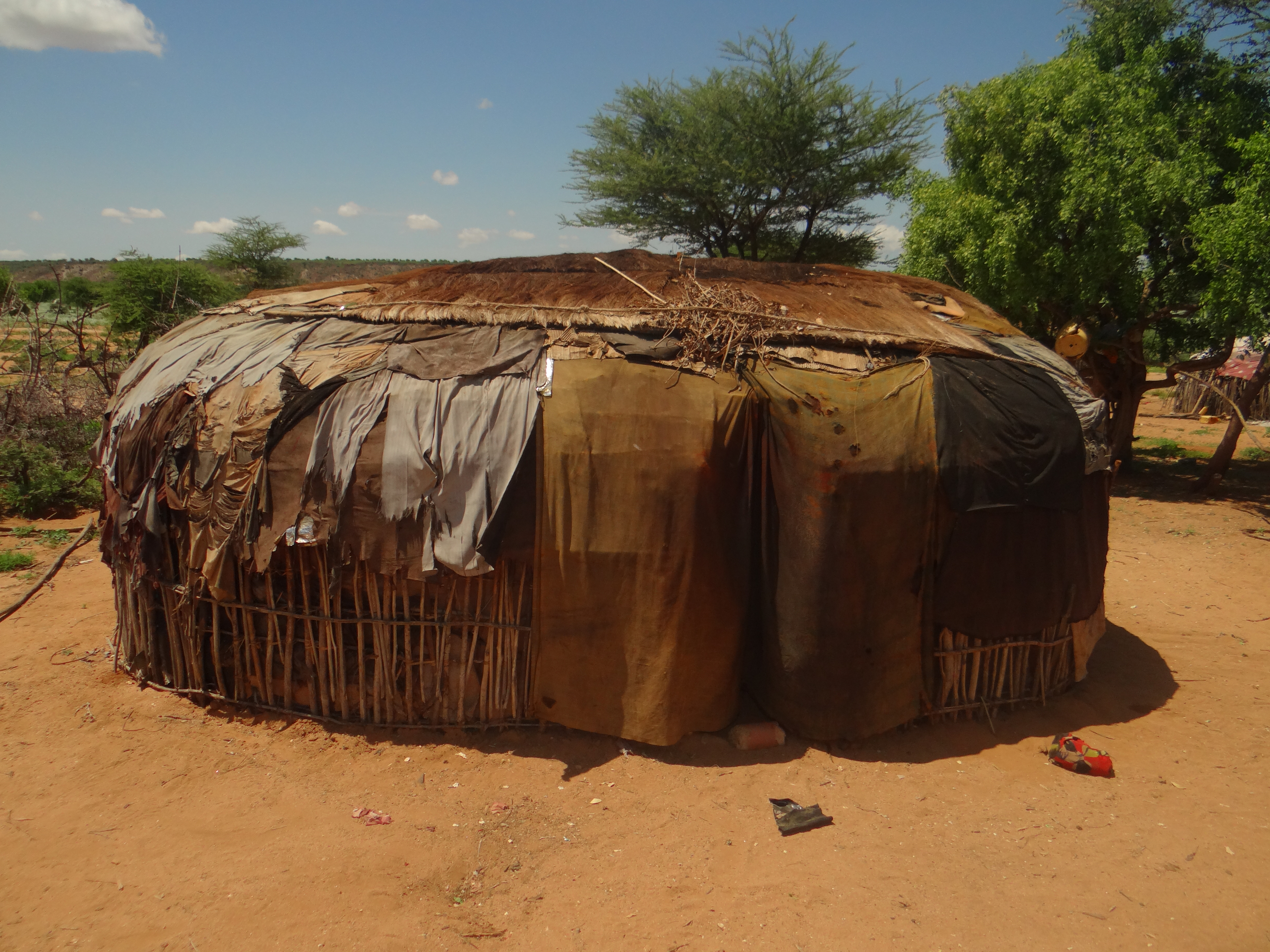
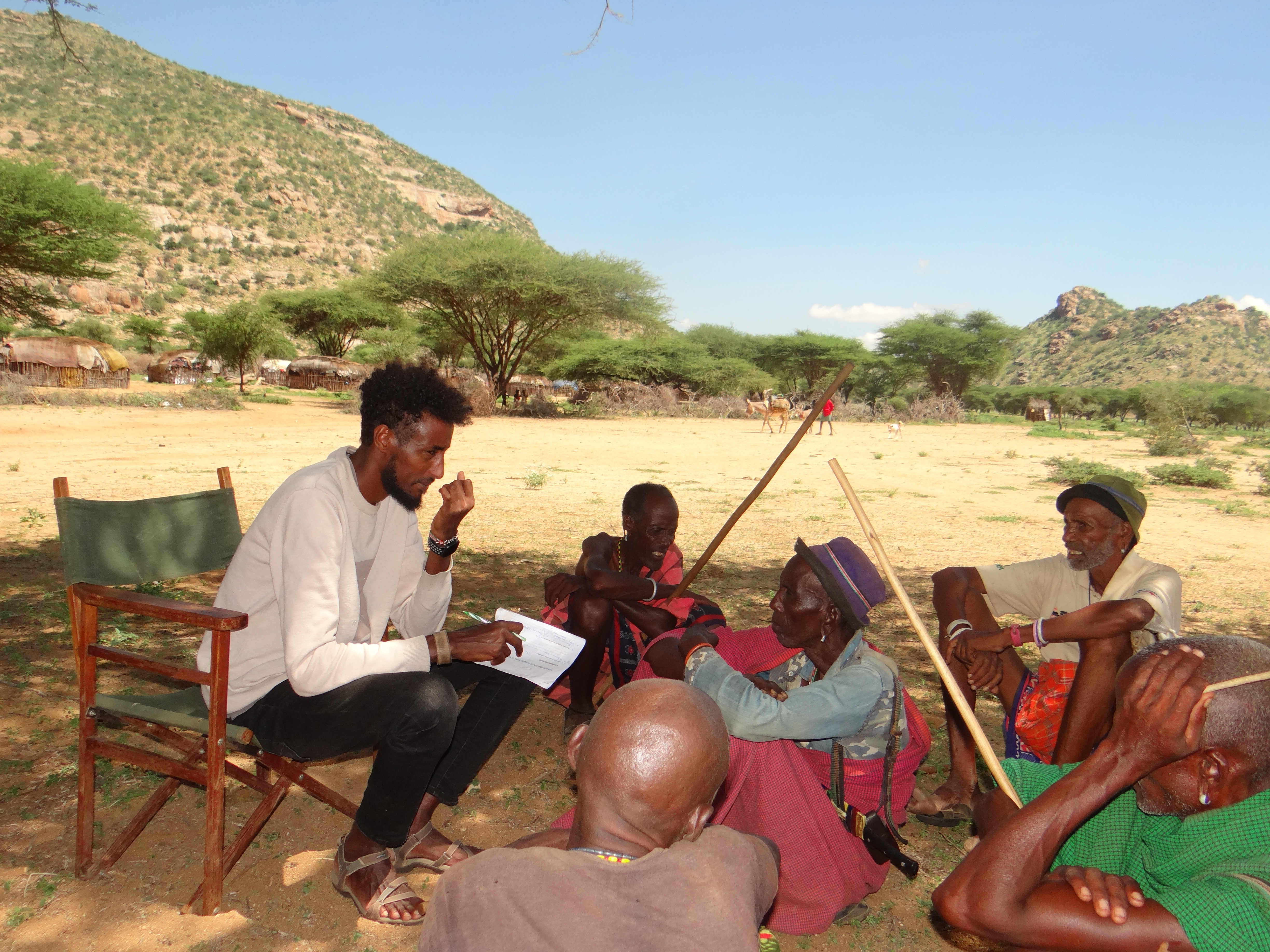
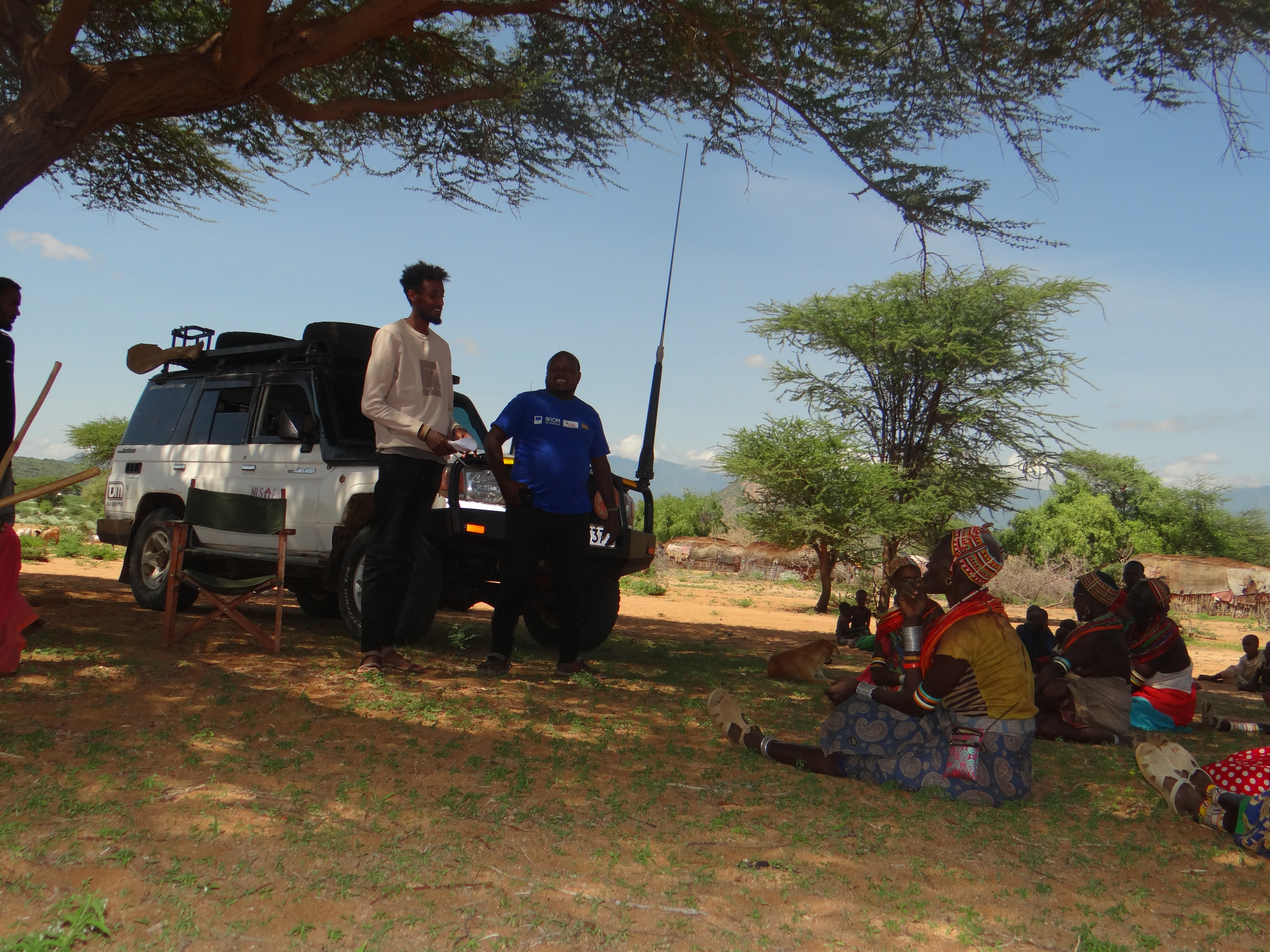
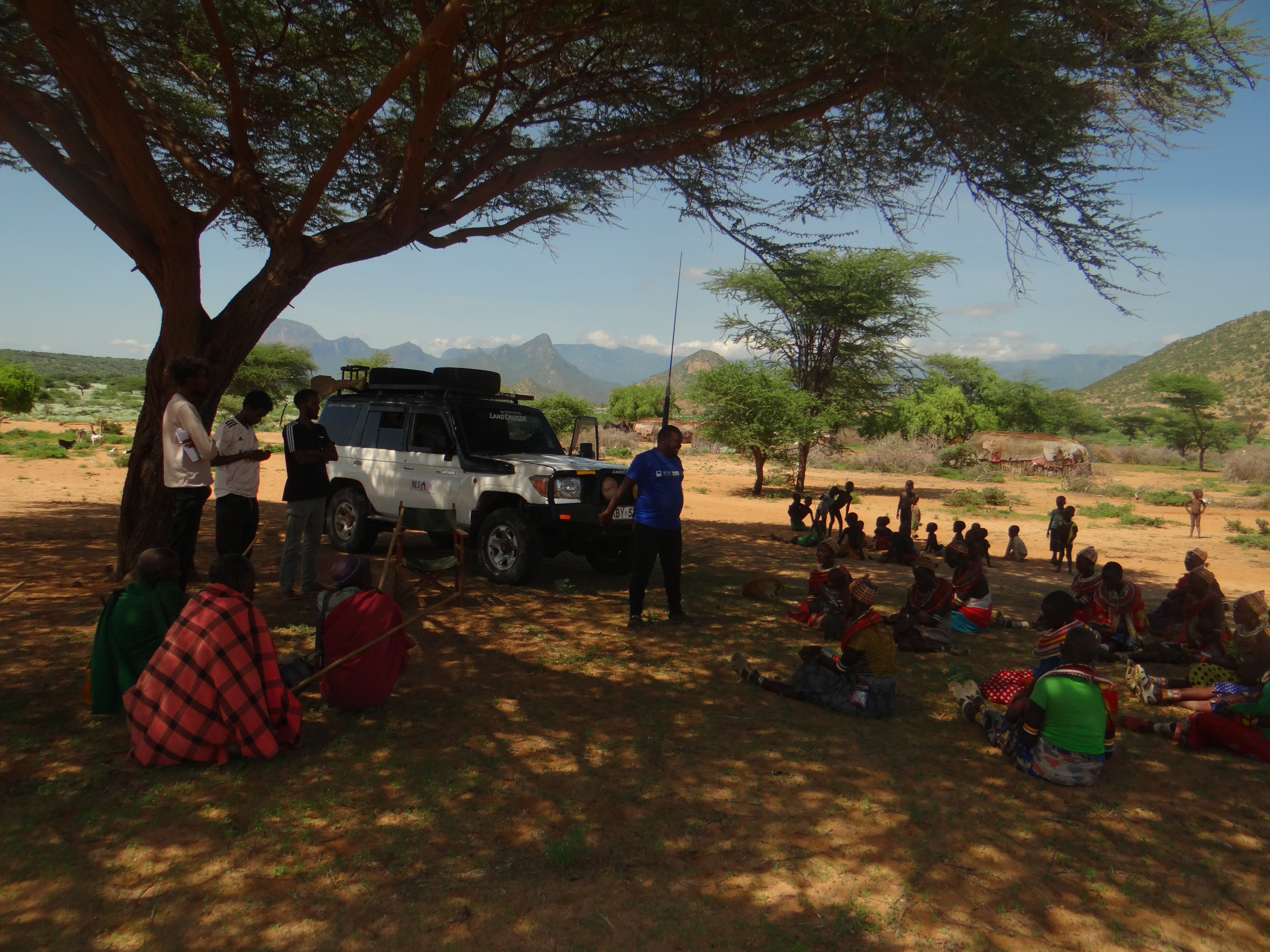
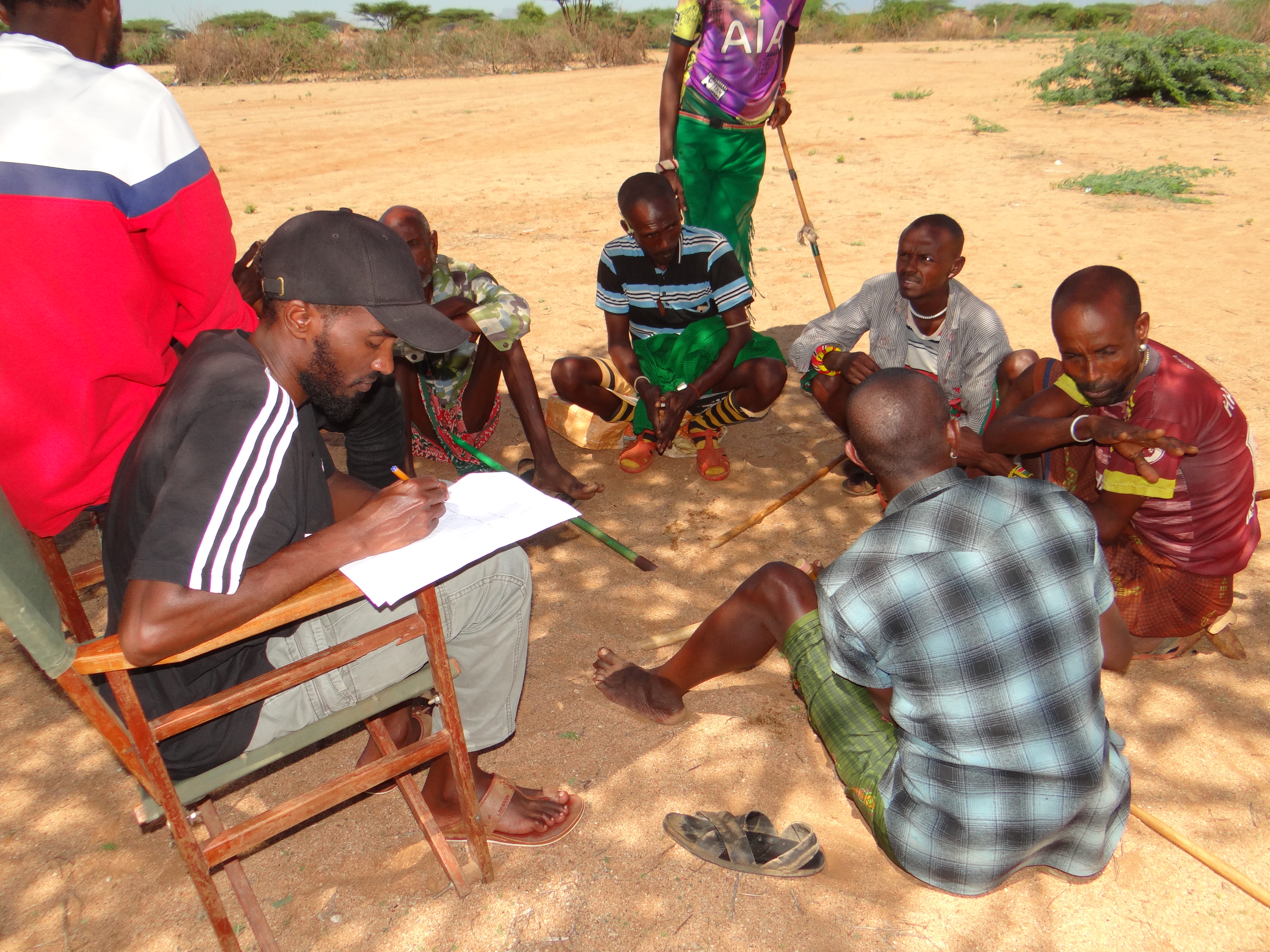
In December 2023, we embarked on an insightful journey to explore the traditional African house structures of the Rendille community in Kargi South Horr Ward, Marsabit County, Kenya. This two-day survey aimed to uncover the architectural diversity, cultural significance, and sustainable practices inherent in the construction of these unique homes.
Architectural Diversity: A Rich Tapestry of Design
As we traveled through Kargi South Horr, we were struck by the diversity of the traditional house structures. The architectural styles vary widely, shaped by the geographical, climatic, and cultural contexts of the Rendille people. We observed the use of local, eco-friendly materials, including dried interwoven palm leaves, thatch, poles, and ropes — materials that suit the region's hot, arid environment while embodying a deep connection between the people and their surroundings.
Cultural Significance: Houses as Living History
One of the most powerful aspects of these homes is their cultural significance. Each structure tells a story, not just of shelter, but of a community's values, social hierarchy, and spiritual beliefs. The houses often serve as repositories of oral history, carrying within them the collective memory and identity of the Rendille people.
Sustainable Practices: Building with Nature
Traditional Rendille homes embody sustainability in ways that modern architecture can learn from. The structures are built with locally sourced materials, maximizing natural ventilation and lighting. We also observed traditional practices of water harvesting, waste disposal, and energy conservation passed down through generations.
Challenges to Preservation
Despite their resilience, these traditional structures face significant challenges. Urbanization, modernization, and climate change threaten their continued existence. Scarcity of materials such as sisal and building sticks, combined with deforestation, has made construction more difficult.
Recommendations
- Documentation and Preservation: Immediate efforts should be made to document these traditional houses and their cultural significance.
- Community Engagement: It is crucial to involve the community in the preservation process through educational programs.
- Integration of Traditional Practices: Explore ways to integrate sustainable elements from traditional Rendille house structures into modern architecture.
This survey has highlighted the extraordinary richness of the Rendille community's traditional house structures. Their resilience, cultural significance, and sustainable practices offer valuable lessons for the future of African architecture.
Support Our Work
Help Fund the Next Field Report
Every donation enables us to reach more communities and build more resilient shelters.
Donate Now